Scaling a venture usually gets described in terms of product, commercial model, capital and hiring. All of that matters enormously. But there is a layer underneath it that decides whether the venture keeps its energy as it grows: culture.
Culture is not a values poster. It is not the away day or the Friday social. It is the behaviour people default to when nobody is watching and there is no obvious right answer.
What culture actually asks for
It asks for consistency from leaders. People watch what you do when things get hard, when the decision is inconvenient, when the shortcut is right there, when the deadline is pressing. Culture is set in those moments far more than in any stated value.
It asks for honesty about what is and is not working. Teams that only ever celebrate wins lose the ability to learn from a loss. The best cultures hold both: genuine celebration when things go well, genuine reflection when they do not.
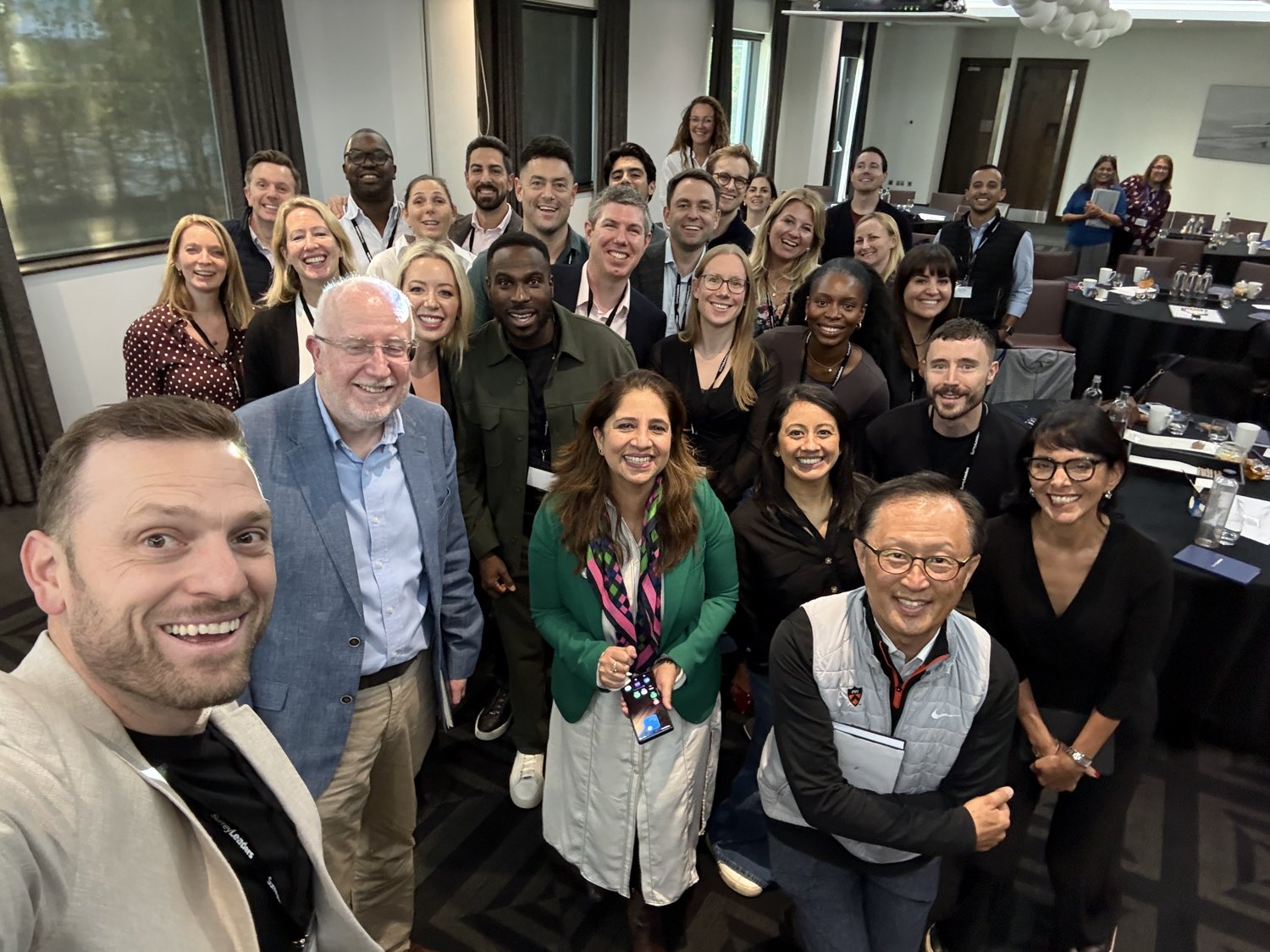
It asks for shared purpose that connects the daily work to something bigger. When we launched our 2026 strategy at Infinite PL, the point of getting everyone in a room was never the slides. It was reminding the whole team how their work connects to the mission. When people feel that, the discretionary effort follows.
What happens as you scale
A team of fifteen is easy to align. Everyone knows everyone and the mission is visible in everything. At fifty, then two hundred, then more, the ways culture travels have to change. It can no longer move by osmosis.
So leadership has to get more deliberate: about the stories you tell, the behaviour you recognise, how decisions are made visible, and who gets promoted and for what.
The strategy launch, the annual celebration, the team ritual. These are not fluff. They are the mechanism that carries culture at scale, and getting them right matters more than most organisations admit.
Culture built carefully becomes a real competitive advantage. Culture left to chance becomes the thing that holds a good venture back.