Agentic AI in
the real world.

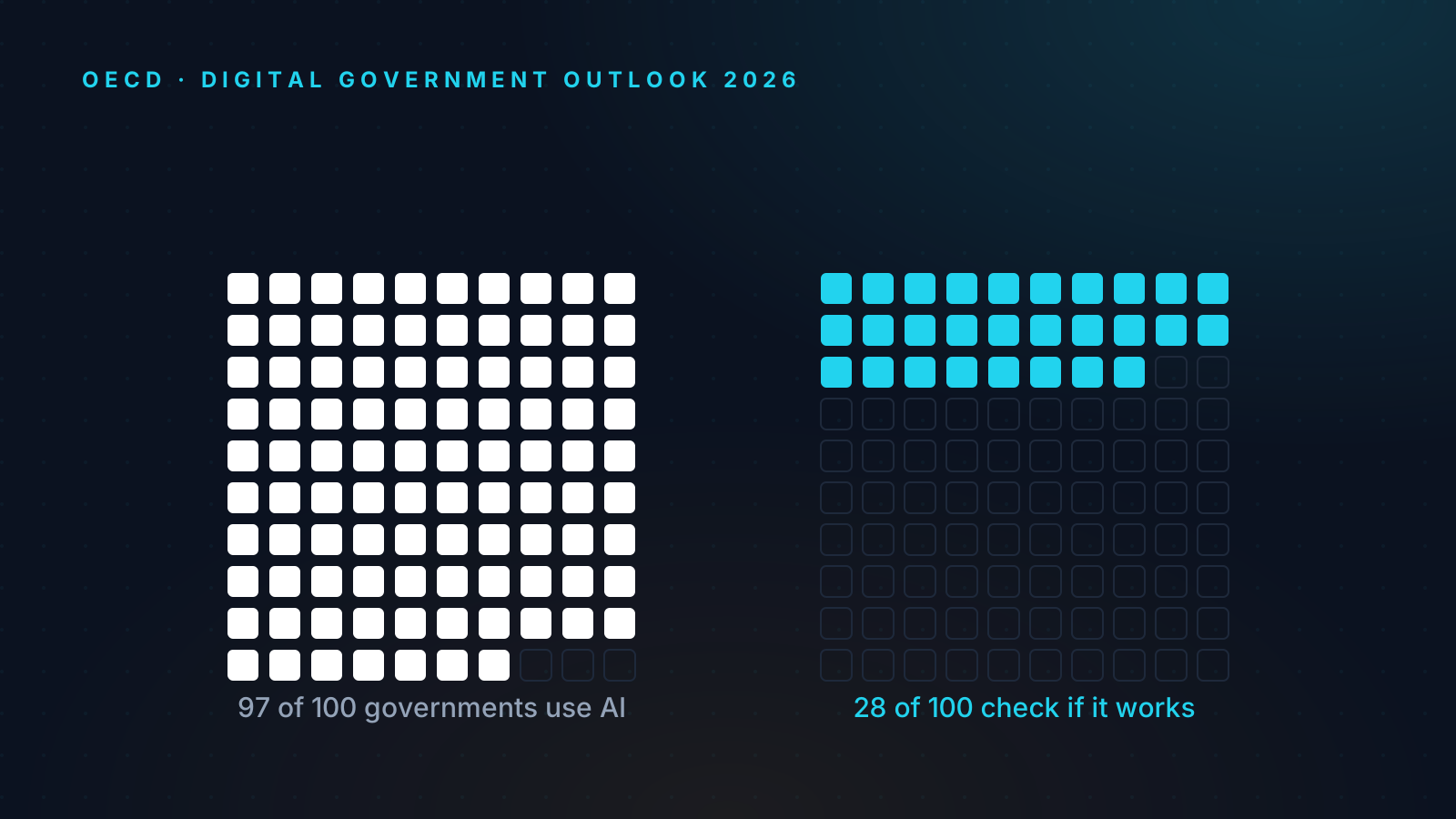
Agentic AI is moving from theory to operating reality. The hard part is not the technology. It is adoption, trust, workflow redesign, governance and scale, and that is where I spend most of my time.

Inside a live logistics operation, where agentic AI is being put to work
Taking agentic AI from strategy decks to live logistics operations.

What agentic AI actually changes

Most AI conversations focus on capability, what the model can do. The questions that matter more are about operating models: how an organisation actually runs when AI is doing some of the work alongside human teams.

01

Operating models, not just tools

Deploying AI agents is not a technology project. It is an operating model redesign. Who is accountable for the agent's decisions? How does its work connect to existing workflows? What happens when it is wrong? These are governance questions that most technology implementations never answer.

02

Trust before adoption

People who do not trust an AI system will quietly route around it. Building that trust takes transparency about what the system does, honest communication about its limits and genuine support, not just training, for the people whose work changes.

03

Scale requires a different design

The prototype that flies in a pilot often fails at scale, because the conditions that made it work (dedicated attention, clean data, motivated participants) disappear. Scale needs a different design: workflow integration, operational monitoring and exception management built in from the start.

04

Accountability stays human

AI agents execute tasks; people stay accountable for outcomes. That distinction matters for governance, regulatory compliance and employee confidence. Being clear about who is responsible for what, and how errors get caught and corrected, is not bureaucracy. It is the foundation of a deployment that lasts.

Why AI pilots fail to scale

Most organisations running AI initiatives report the same experience: the pilot works, the demo is impressive and the scale-up stalls. The gap between pilot and scale is where most AI transformation value is lost.

The problem is almost never the technology. It is the operating model: the design decisions that determine whether AI integrates into real workflows, earns the trust of the people using it and delivers outcomes that can be measured and improved over time.

Six reasons pilots do not scale:

  • Pilot data is curated; production data is messy.
  • Pilot participants chose to be involved; production users did not.
  • Pilot environments have dedicated technical support; scaled operations do not.
  • Pilot metrics track model performance; scaled operations need operational outcomes.
  • Pilot success creates pressure to scale before the operating model is ready.
  • Integration with existing workflows is treated as an afterthought, not a design requirement.

Five questions before you scale

These are not technical questions. They are operating model questions, and answering them upfront is what separates the AI scale-ups that work from the pilots that stay pilots.

1

What decisions is the AI making?

Being clear about the scope of the AI's decisions, and the point at which human judgement takes over, is the starting point for governance design.

2

Who owns the outcome?

The AI executes; a human or governance structure owns the result. Accountability cannot be outsourced to the system.

3

How does the workflow actually change?

New tools bolted on next to old processes get abandoned. Integration into the daily rhythm, not parallel operation, is what drives sustained adoption.

4

What does good performance look like in practice?

Not model accuracy, but operational outcomes: processing time, error rates, escalations to human review, customer experience.

5

How do we support the people whose work changes?

Support is not a one-off training session. It is an ongoing feedback loop: channels for raising issues, clear escalation paths and the genuine sense that someone is listening.

Agentic AI in logistics and digital platforms

Autonomous last mile

Agents coordinating routing, exception handling and customer communication in real time, turning last-mile delivery from a labour-intensive operation into a data-driven platform.

Intelligent sorting and warehouse operations

Agentic systems optimising sort plans, throughput and error rates in facilities, working alongside the human teams rather than replacing them.

Cross-border data and customs intelligence

AI-enabled processing of cross-border shipment data, compliance checks and exception spotting, reducing friction in international logistics.

Workforce augmentation

Agents taking the routine decisions so logistics teams can focus on exceptions, customer relationships and improvement, when it is designed with genuine trust and support for the people involved.

Ready to move from pilot to scale?

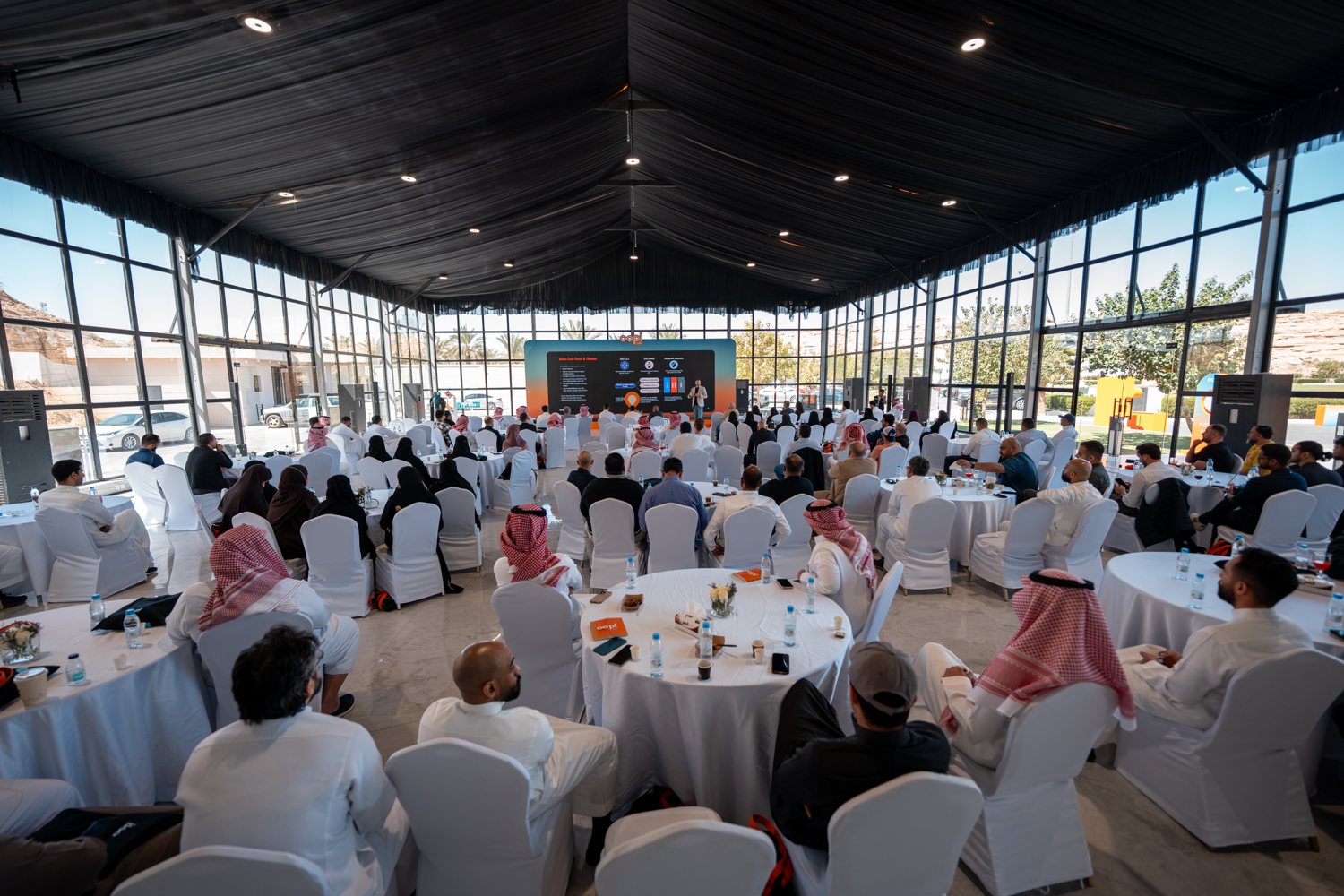
Alex runs workshops on agentic AI operating models for government and enterprise teams. Get in touch to discuss your AI transformation challenge.